
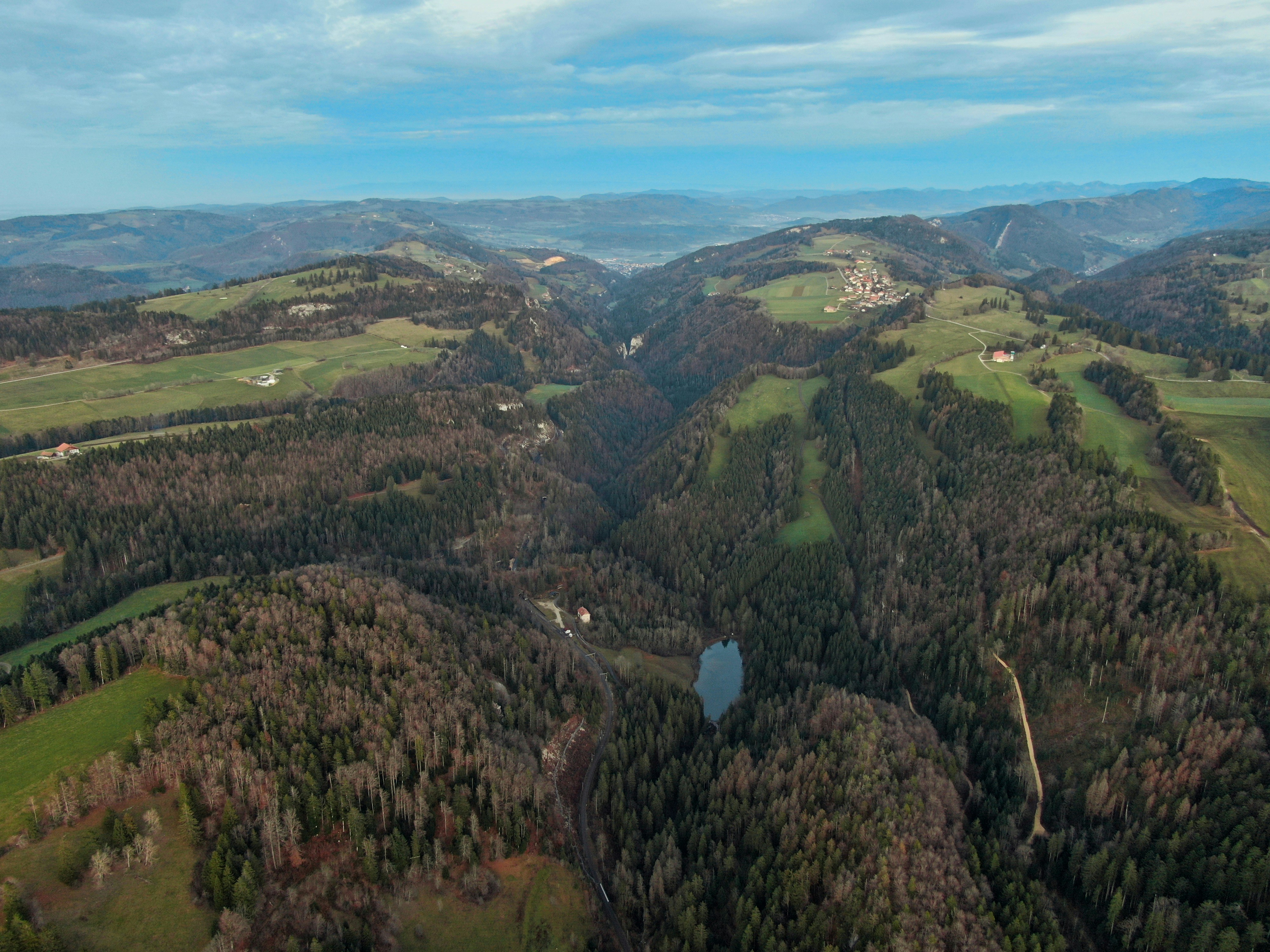
GUINEA
From the Atlantic shores of Maritime Guinea to the rainforests of Guinée Forestière — explore a nation of extraordinary diversity, ancient empires, and remarkable natural wealth.
Guinea at a Glance
Key statistics that define one of West Africa's most resource-rich and culturally diverse nations.
Guineans across four diverse geographic zones
Total land area — larger than the United Kingdom
Susu, Pular, and Maninka are the most widely spoken
One of West Africa's most unified religious communities
Four Distinct Regions
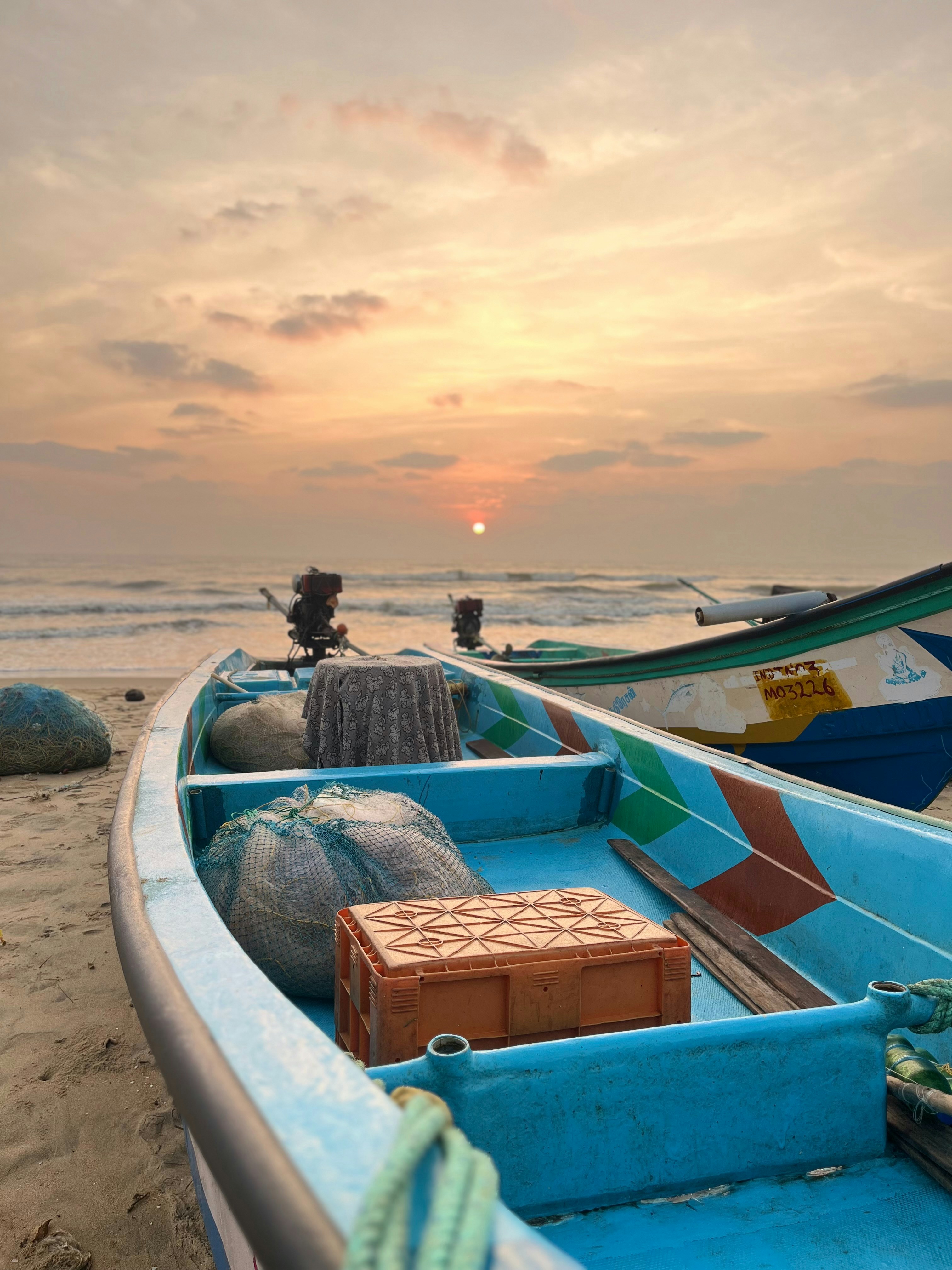
Maritime Guinea
Basse-Côte
Atlantic coastline, mangroves, and the bustling capital Conakry. Home to the Susu people and Guinea's gateway to the world.
Capital: Conakry · ~2M people
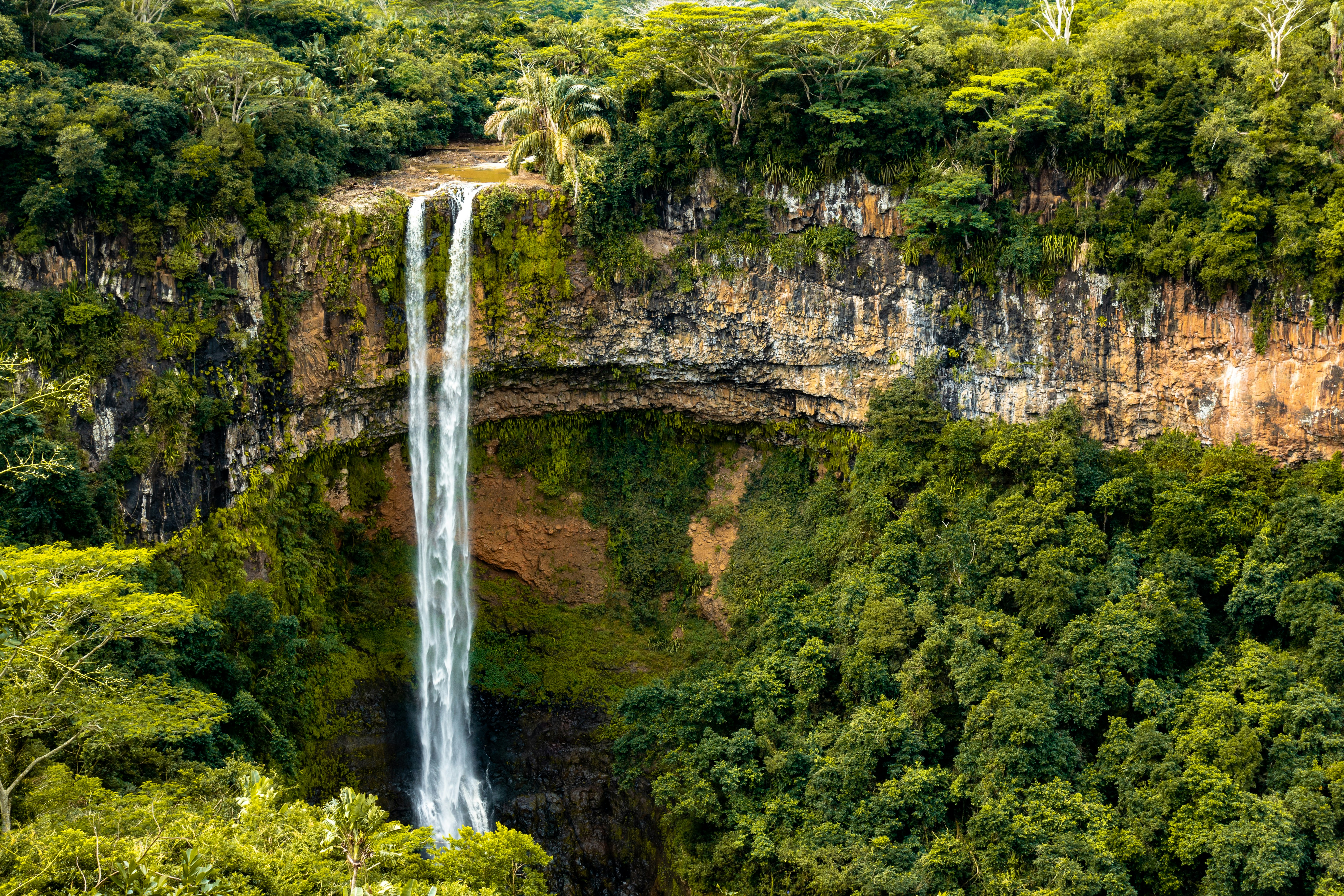
Fouta Djallon
Middle Guinea
Elevation: 900–1,500m · Waterfalls
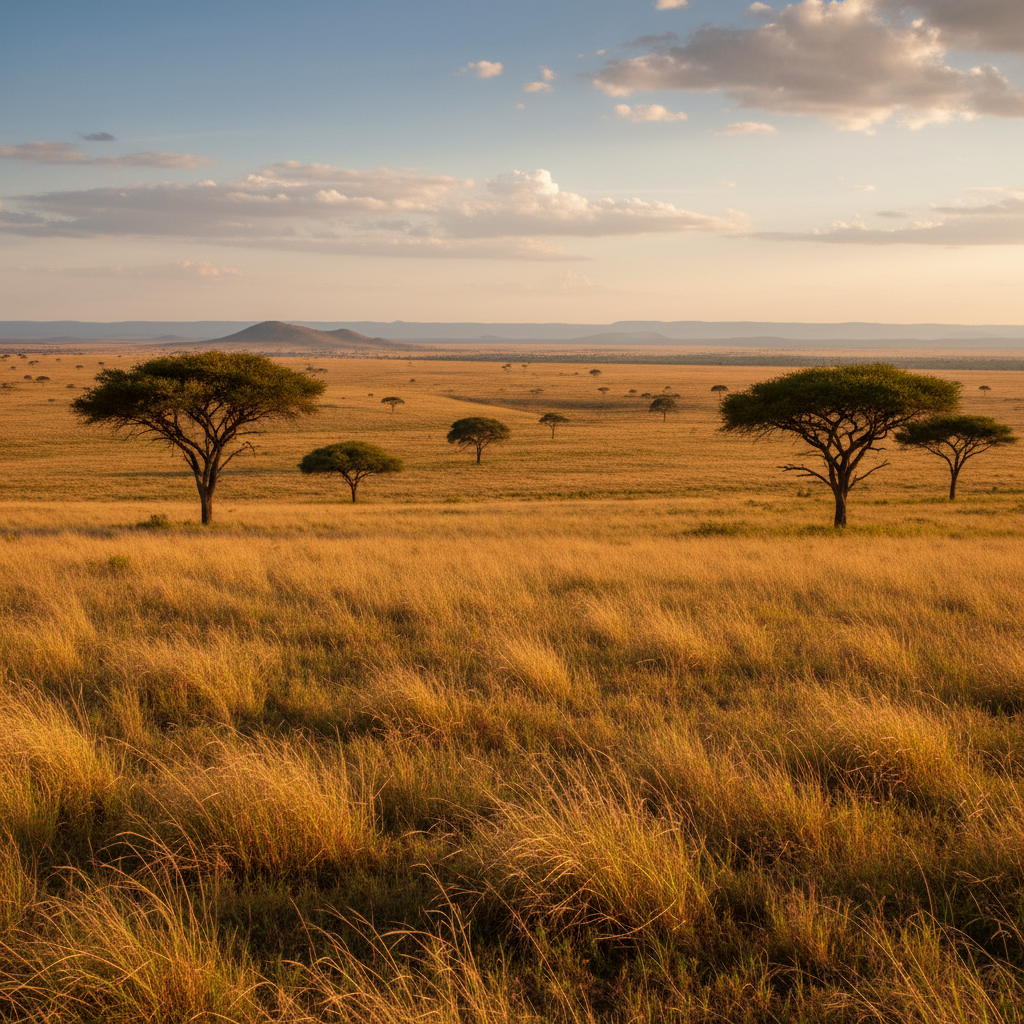
Upper Guinea
Haute-Guinée
City: Kankan · Gold & Diamonds
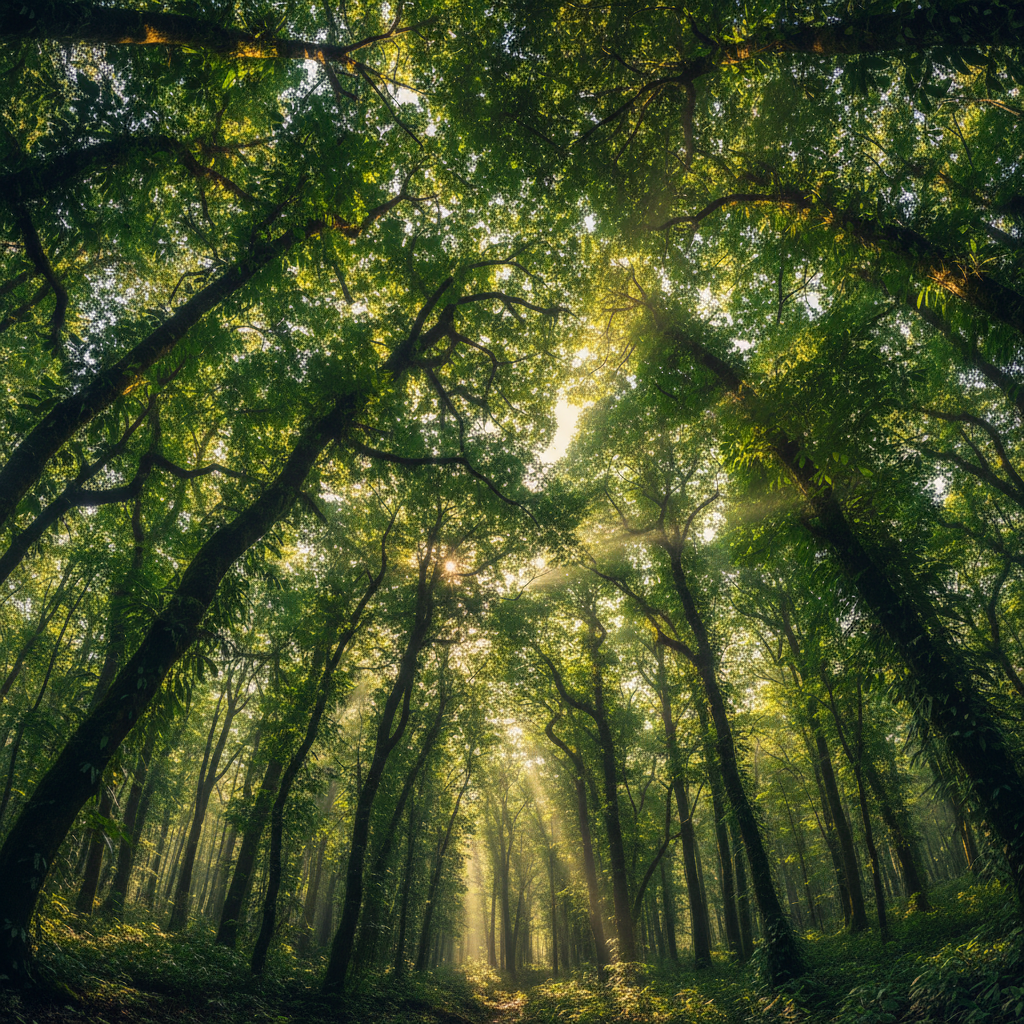
Forest Guinea
Guinée Forestière
Tropical rainforest biodiversity, Mount Nimba UNESCO World Heritage Site, and the most ethnically diverse corner of Guinea.
Mount Nimba: 1,752m · UNESCO
Culture & Traditions
Guinea's cultural wealth runs as deep as its mineral deposits — a living tapestry of music, food, dance, and oral history stretching back millennia.
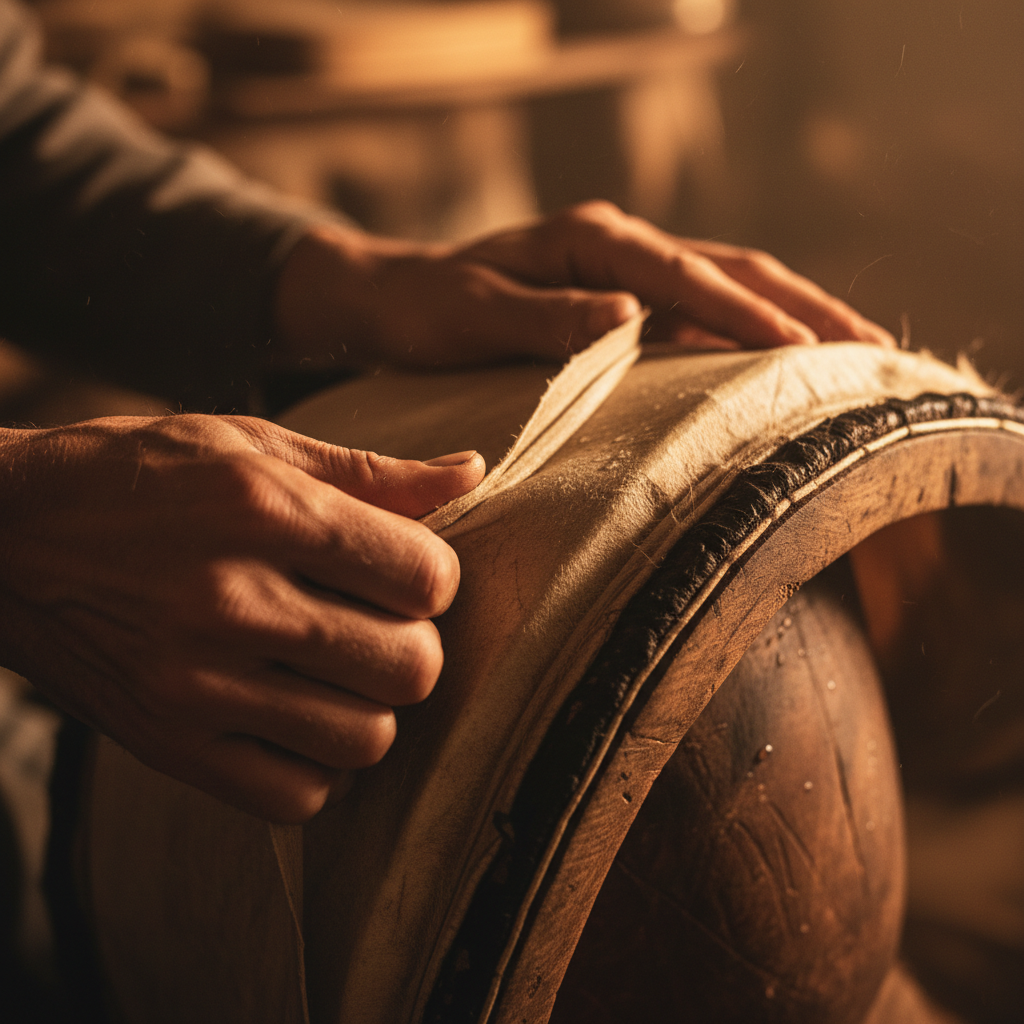
The Birthplace of West African Rhythm
Guinea gave the world the djembe drum, the kora lute, and the balafon xylophone. Griots — hereditary musician-historians — carry centuries of oral tradition in song. Artists like Mory Kanté brought Guinean sound to global stages with the landmark track Yeke Yeke.
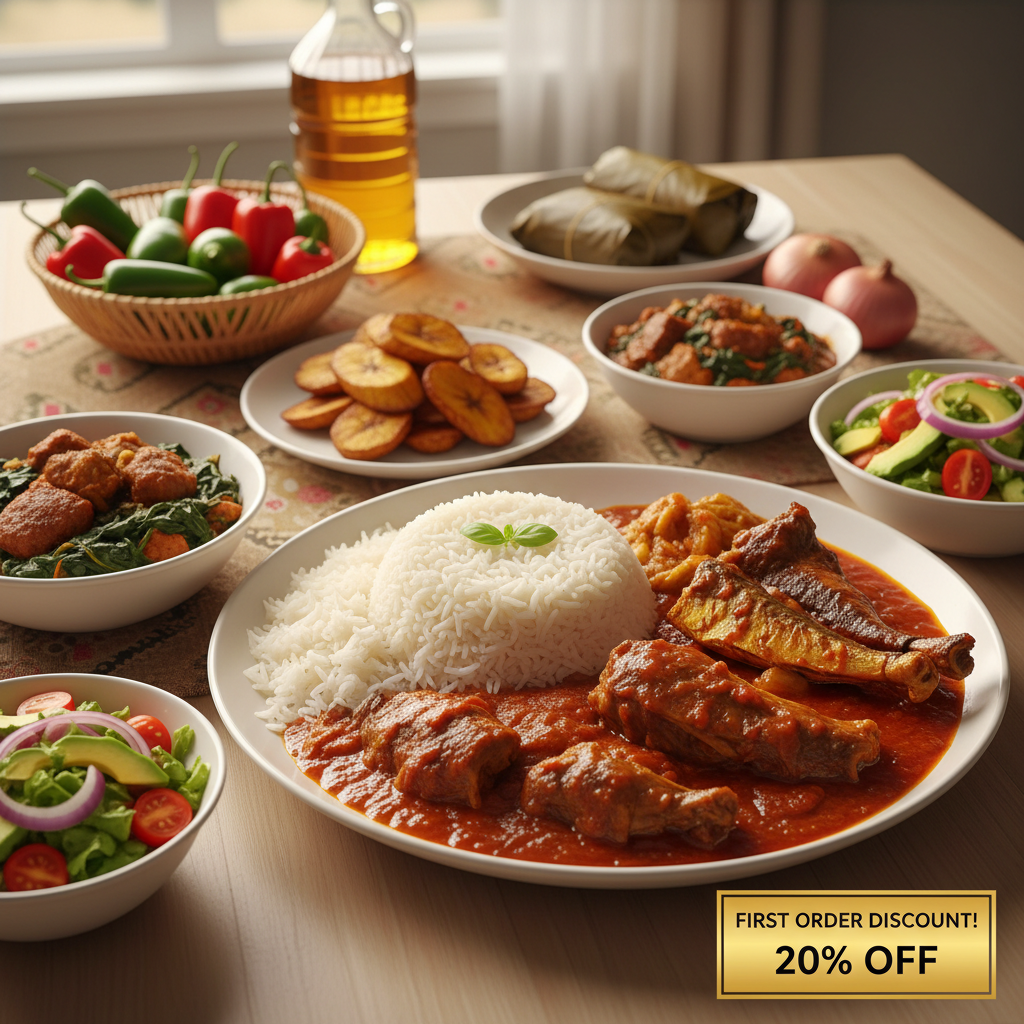
Rice, Peanut Sauce & Community Tables
Guinean cuisine centres on rice — fouti, jollof, and rice with rich peanut sauce (tigadèguèna). Meals are communal, shared from a single bowl. Grilled fish from Atlantic waters, palm oil stews, and fresh tropical fruit complete a cuisine shaped by land and sea.
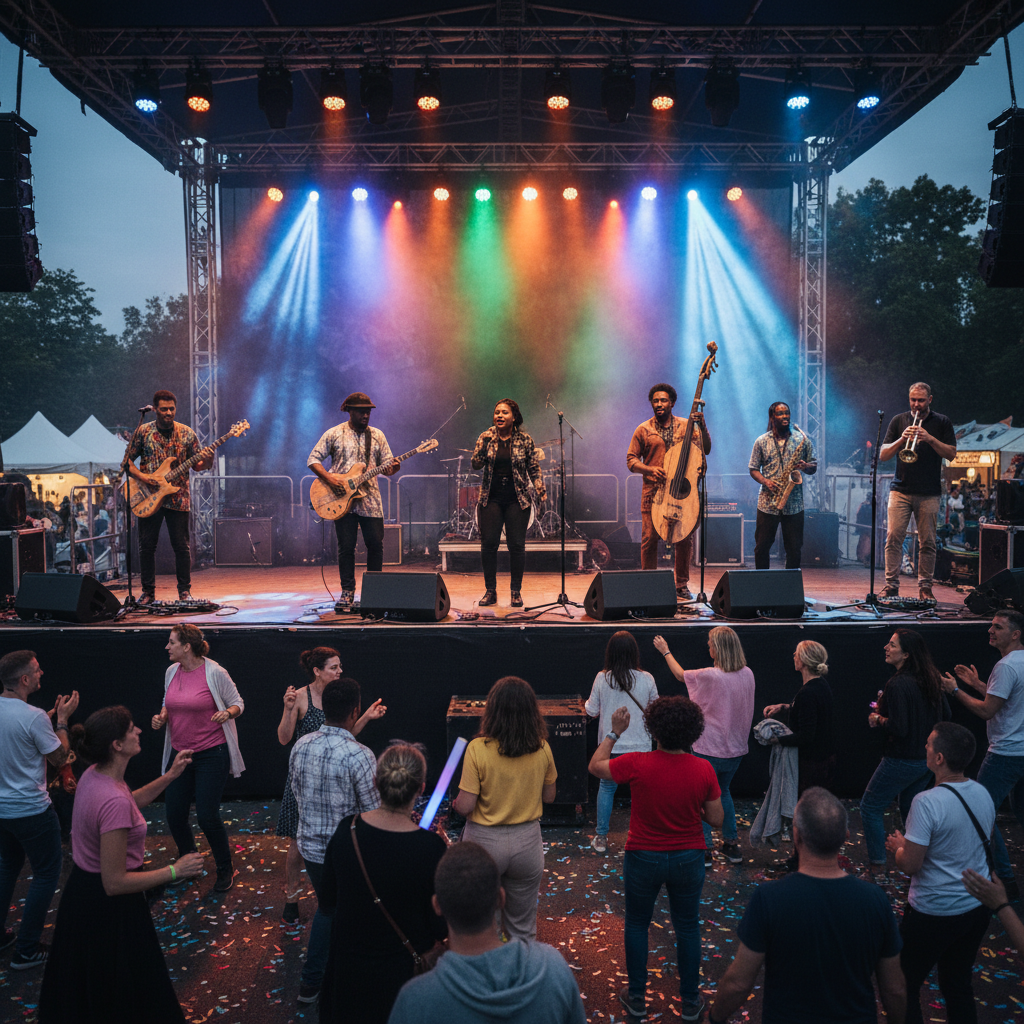
Ballet Guinéen — Dance as Living History
The Ballet Africains de Guinée, founded in 1958, is one of the world's most celebrated traditional dance companies. Each dance encodes a story — harvest rituals, warrior ceremonies, initiation rites. Traditional masks and elaborate costumes transform performance into sacred expression.
Places Worth Visiting
From UNESCO-protected rainforests to Atlantic island beaches — Guinea rewards the curious traveller.
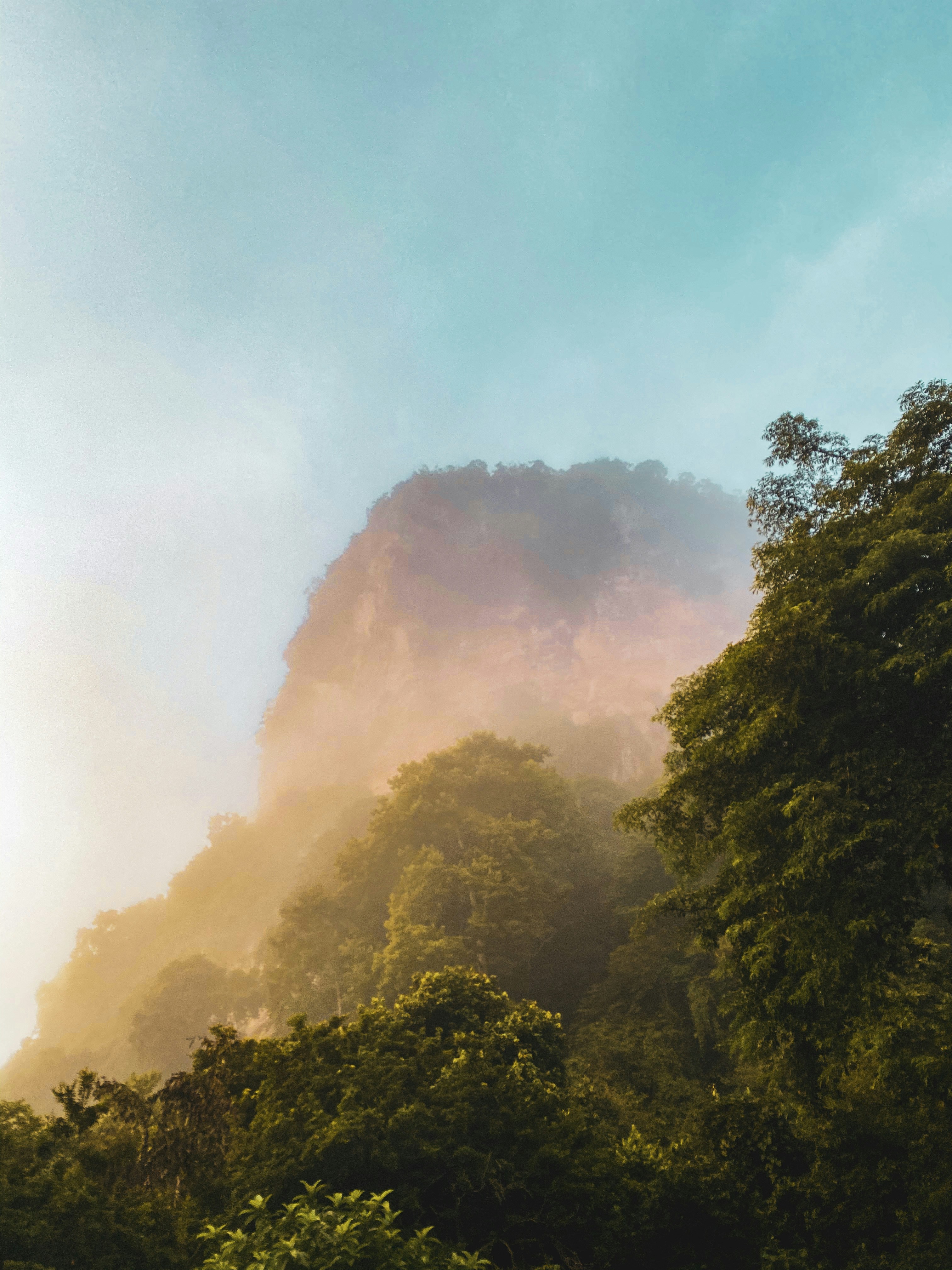
Forest Guinea
Mount Nimba Reserve
UNESCO World Heritage
Rising to 1,752m, this strictly protected biosphere hosts unique endemic species found nowhere else on Earth.
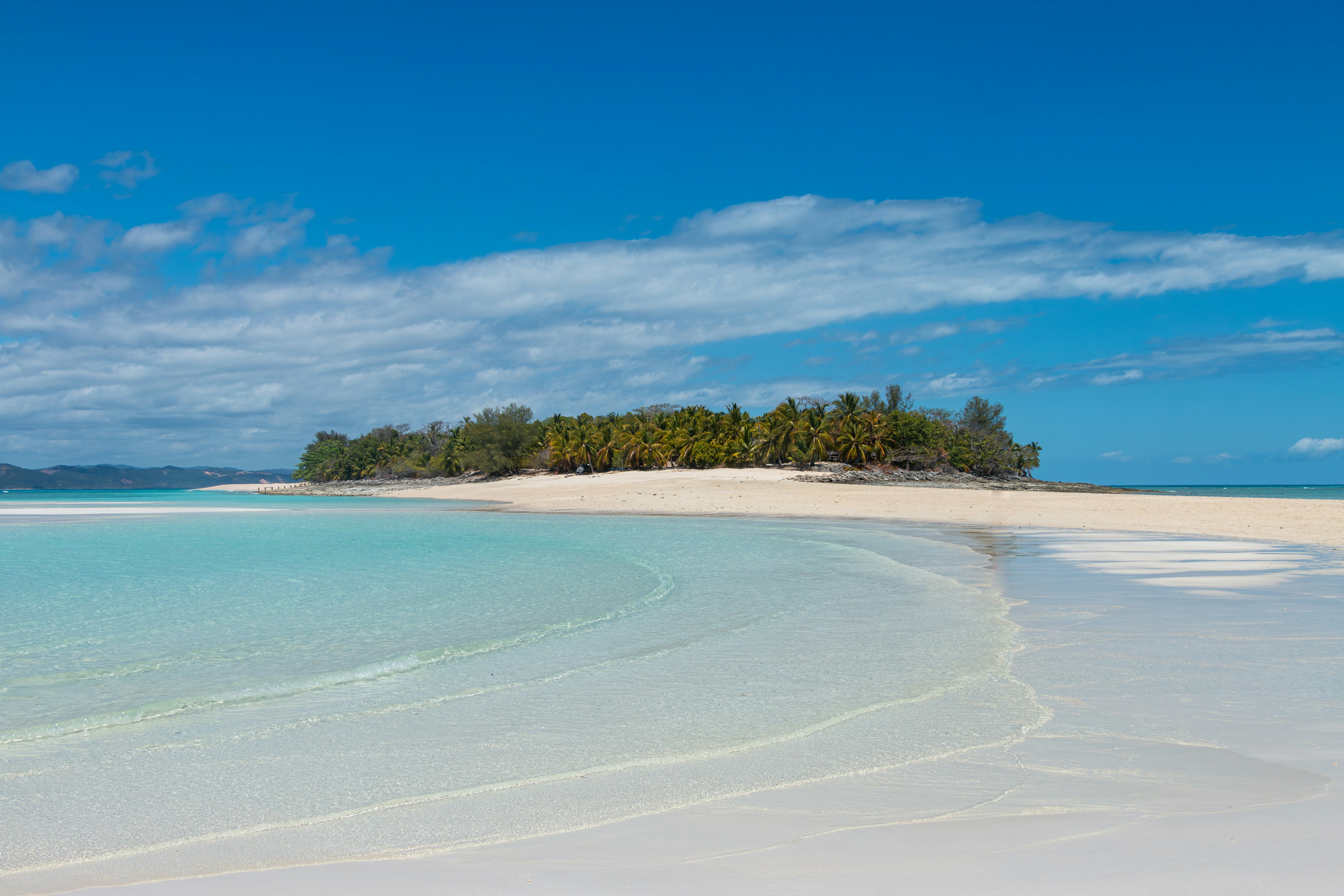
Maritime Guinea
Îles de Los
Island Archipelago
A cluster of tropical islands just 10km from Conakry — pristine beaches, coral reefs, and historic French colonial ruins.
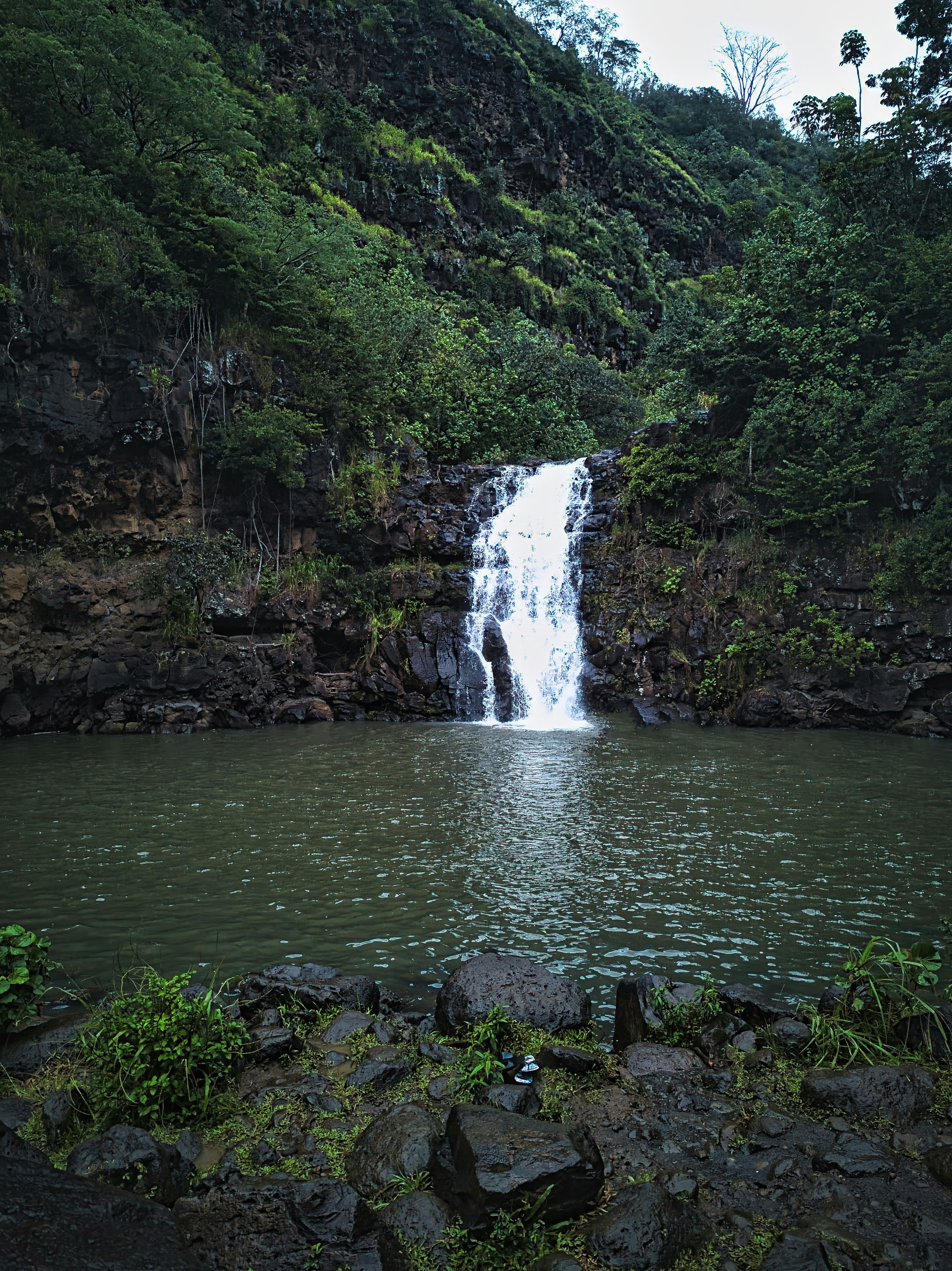
Fouta Djallon
Chutes de Kinkon
Natural Waterfall
The most spectacular waterfall in the Fouta Djallon highlands, plunging 70 metres into a misty gorge surrounded by forest.
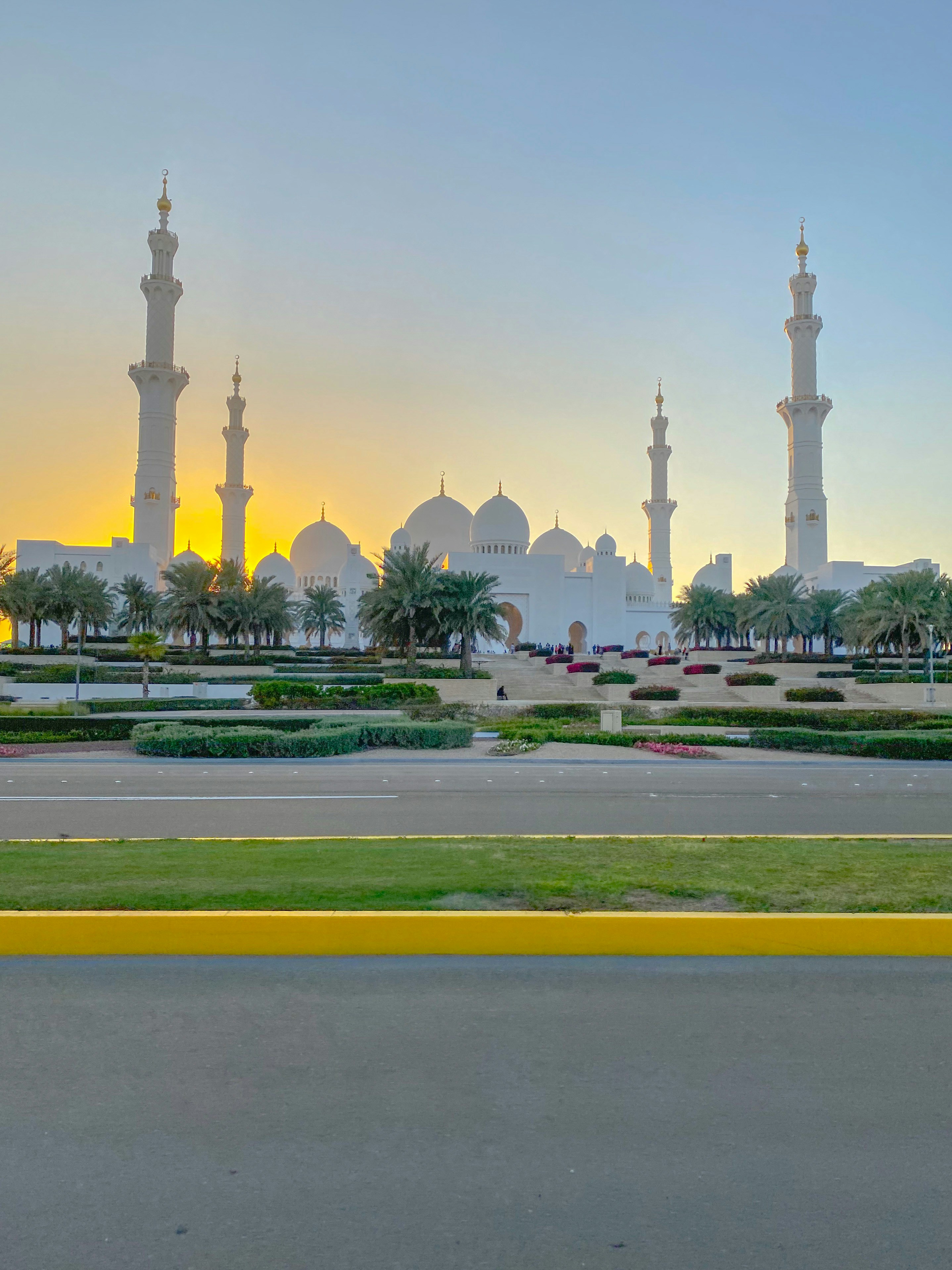
Maritime Guinea
Conakry Grand Mosque
Cultural Landmark
One of the largest mosques in West Africa, built in 1982 — an architectural marvel that anchors Conakry's spiritual life.
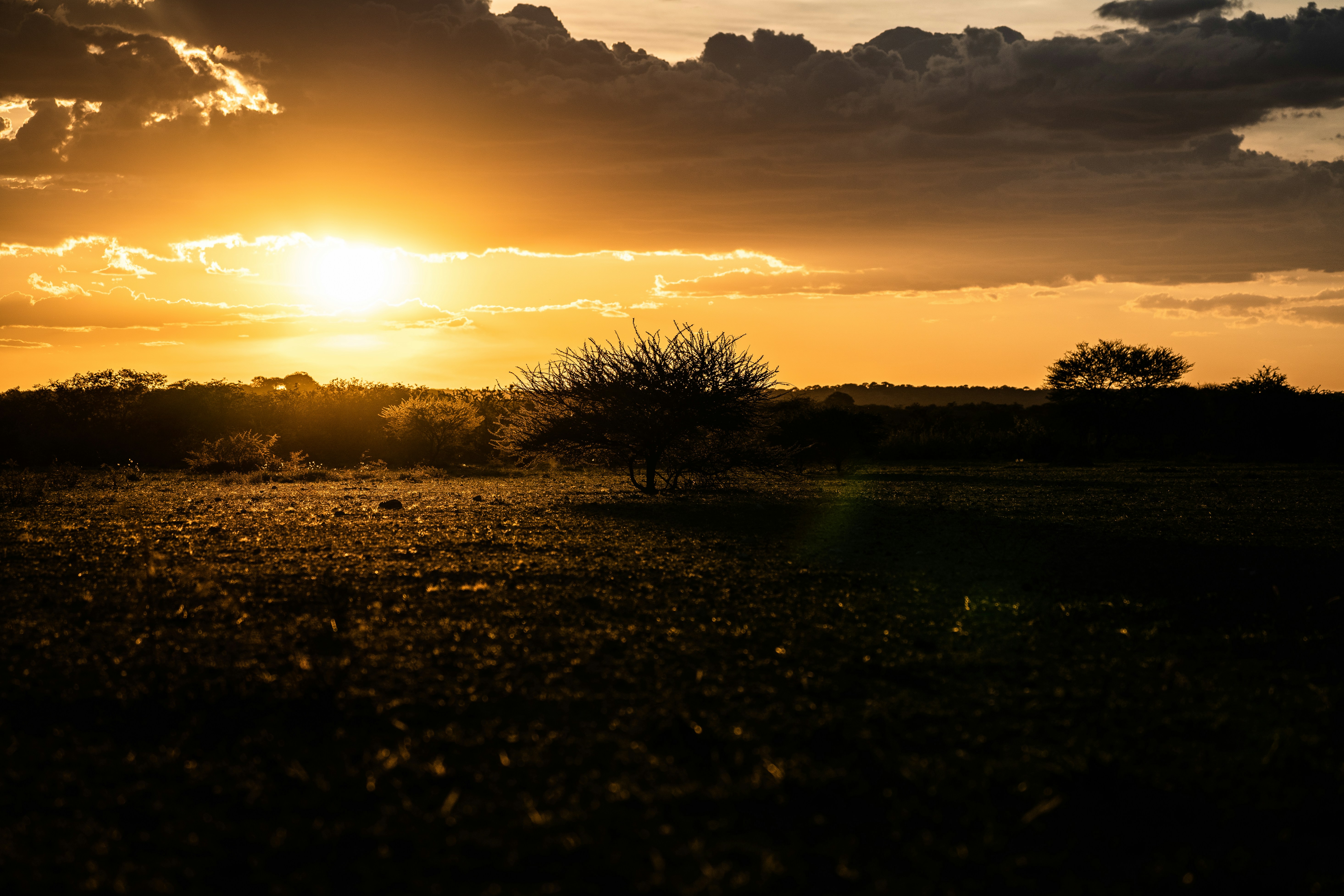
Upper Guinea
Badiar National Park
Wildlife Reserve
Home to hippos, elephants, lions, and over 300 bird species. Guinea's premier safari destination on the Senegalese border.
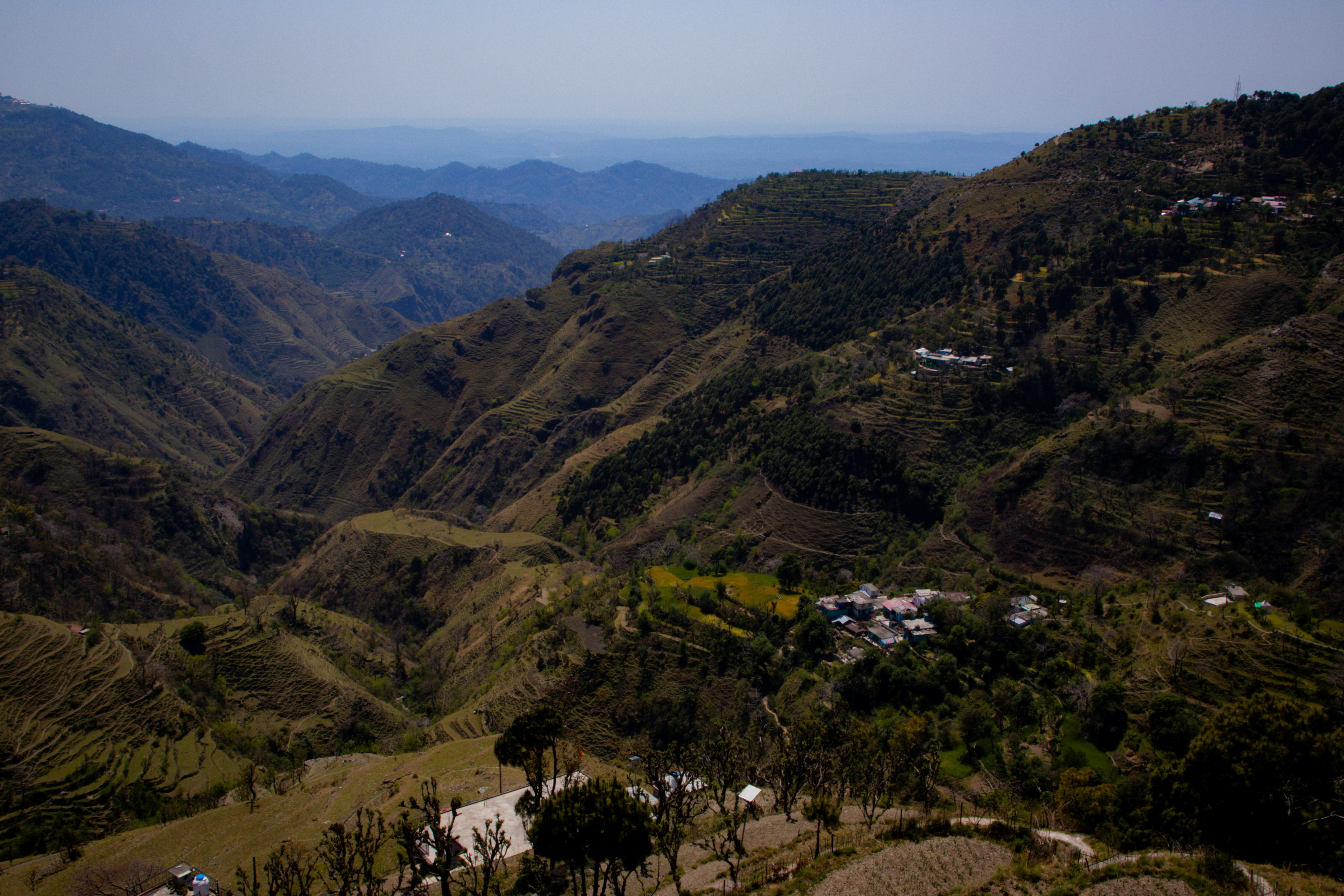
Middle Guinea
Fouta Djallon Highlands
Highland Plateau
The "Water Tower of West Africa" — a vast plateau where the Niger, Senegal, and Gambia rivers are born from ancient springs.
Plan Your Guinea Journey
Discover detailed travel information, region-by-region guides, and practical tips for visiting Guinea's most remarkable destinations.